Comprehension Instruction:
Teaching Students to Read with Comprehension at One Level Higher

Reading with Comprehension is the ultimate purpose of all reading instruction. We want students to be able to extract information independently from a text, so that they can find the information they need.
Please note: Comprehension Instruction is also sometimes called Anchor Read Apply or Guided Reading.
For early conventional students we should have a focus on reading comprehension from texts, using Australian Curriculum Foundation as our guide. Australian Curriculum has a list of skills that students should be able to do at each level, and we can use these as purposes for reading the book e.g. describe the characters, describe the setting, suggest a title, etc. Each of these contributes to or requires comprehension of the text. For example, being able to suggest an alternative title for a text requires comprehension of the text.
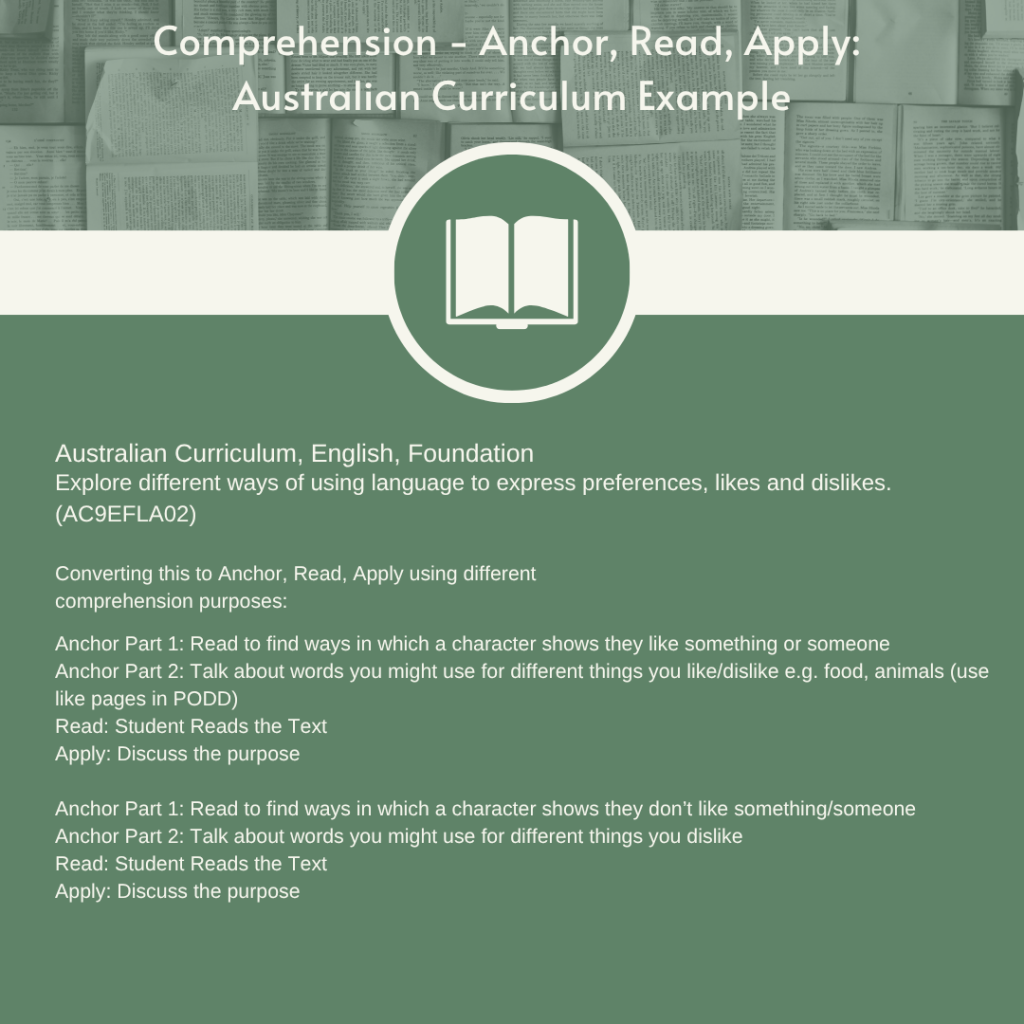
Always remember that comprehension instruction is about the student’s reading comprehension. The student needs to read the book and extract the information – and then practice doing that repeatedly with different texts to improve their reading comprehension.
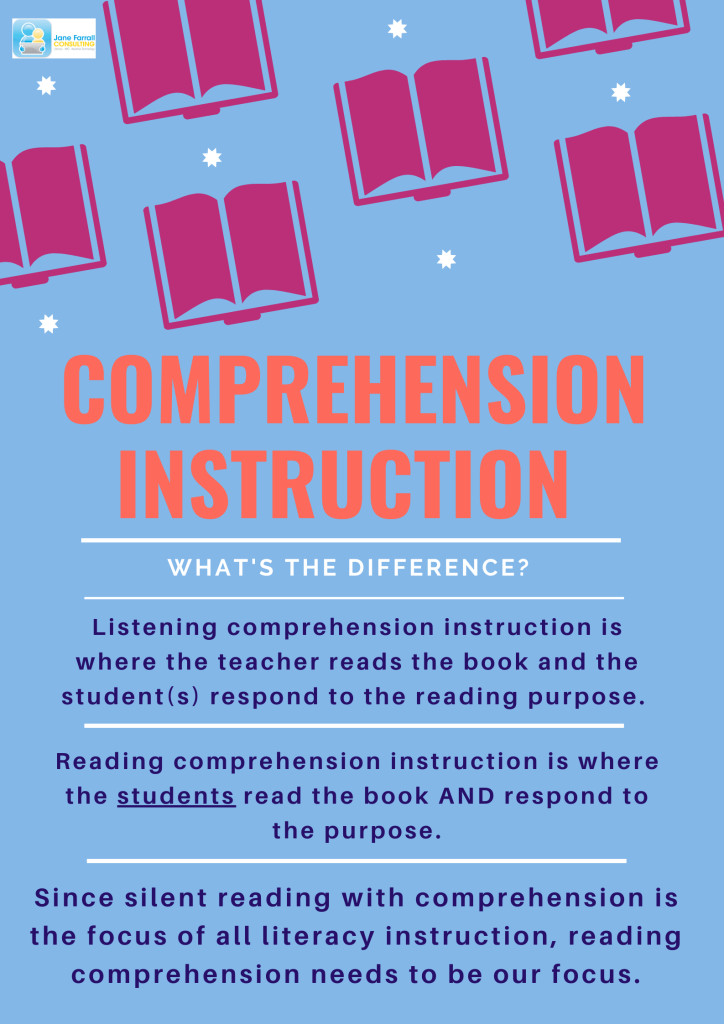
As mentioned above, Australian Curriculum English, provides information about what students should be able to do with texts at different grade levels. You can use this as your guide for comprehension instruction planning.
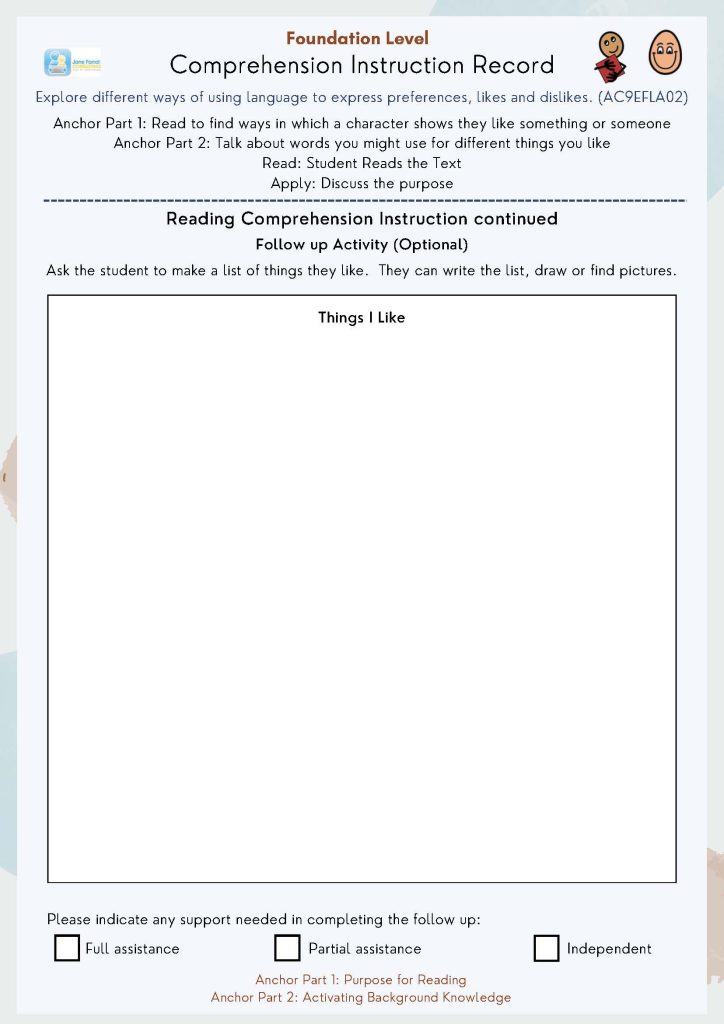
The resource below provides a series of reading comprehension purposes for students at Australian Curriculum V9, Foundation. They can be used as a record of comprehension instruction as well.

For your daily comprehension lessons you will need:
- a book of the week at, or below, your students’ reading comprehension level, one copy for each student
- 5 reading purposes for the week taken from the appropriate level in Australian Curriculum
When reading a text with a focus on comprehension we would read it through without stopping to discuss it in any way. If there is anything in the text that you need to explain to the student(s), please do this before reading the book – or afterwards if needed. If you need to stop to explain items in the text repeatedly then the text is probably too difficult for the student.
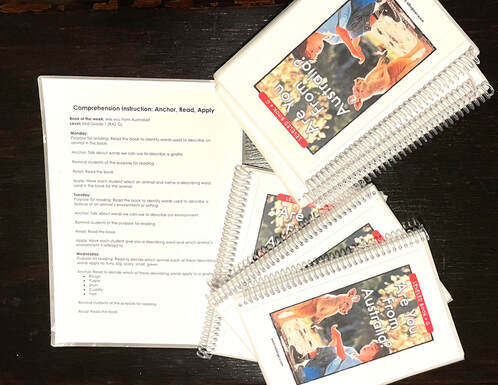
The handout below provides an example of a week of comprehension instruction with students who are at Foundation. It takes you through a week of planning with a simple Foundation level text. Each day of the week, the teacher introduces the purpose for reading and then explains any information that students may need to extract the information from the text e.g. explaining what a mammal is before reading a text about mammals. Many Foundation students aren’t yet reading fluently or independently, and so we use a gradual release of responsibility model, aimed at having the students reading the text independently by the end of the week.
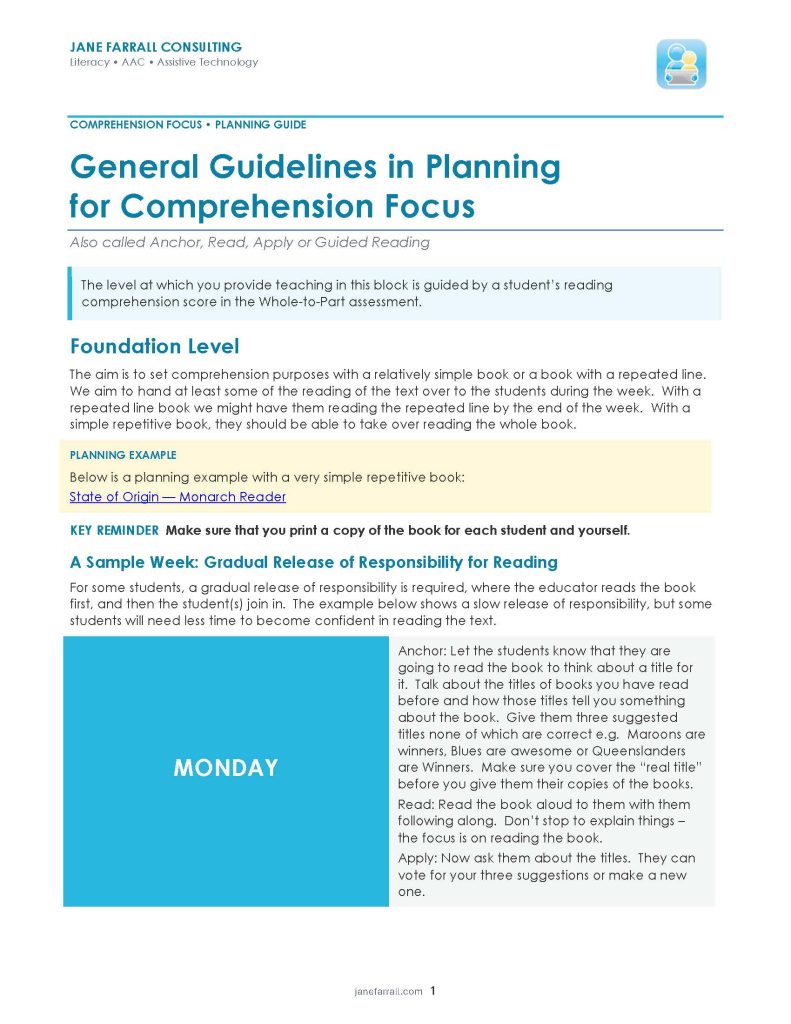
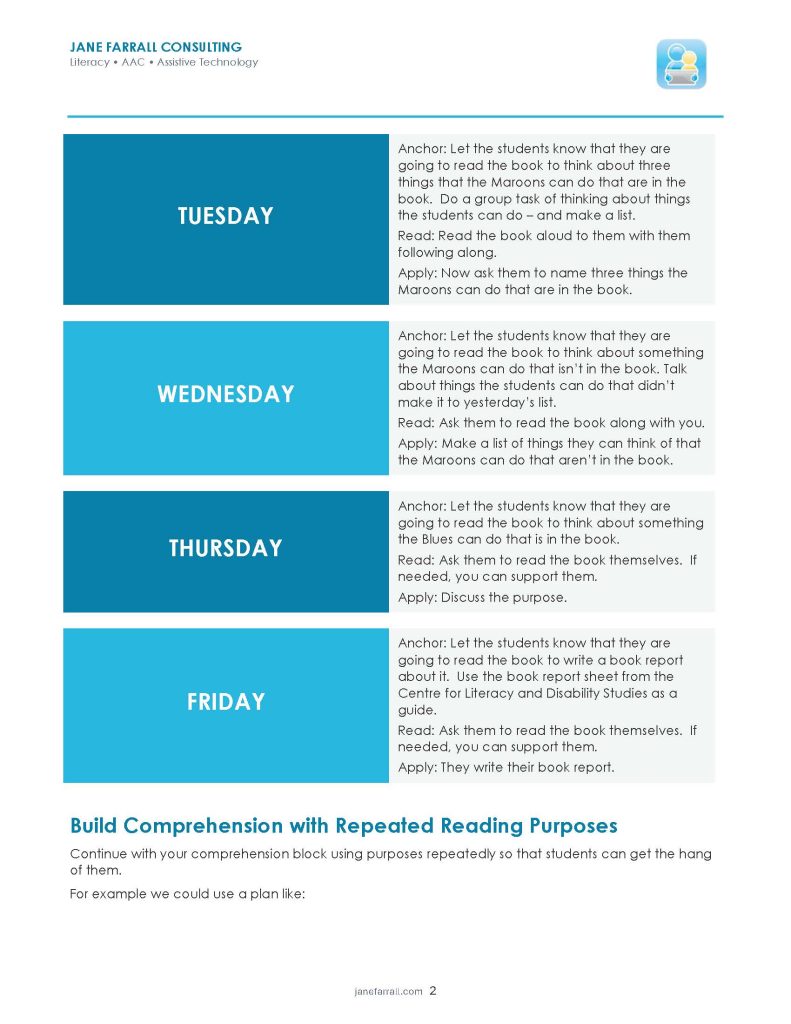

By the time a student is at a grade 1 reading level, we want them doing comprehension with books they read – but at foundation level the teacher can read the majority of the text at the beginning of the week, and the students start joining in as the week progresses. It’s really important that this block involves the students’ reading the text and extracting the information, even if you have to progress to them reading the text through the week. We also need to make sure we activate any background knowledge that is needed to understand the text before reading the book e.g. explaining what a mammal is before reading a text about mammals. You don’t want to interrupt the reading with these explanations as it takes the emphasis away from comprehension.
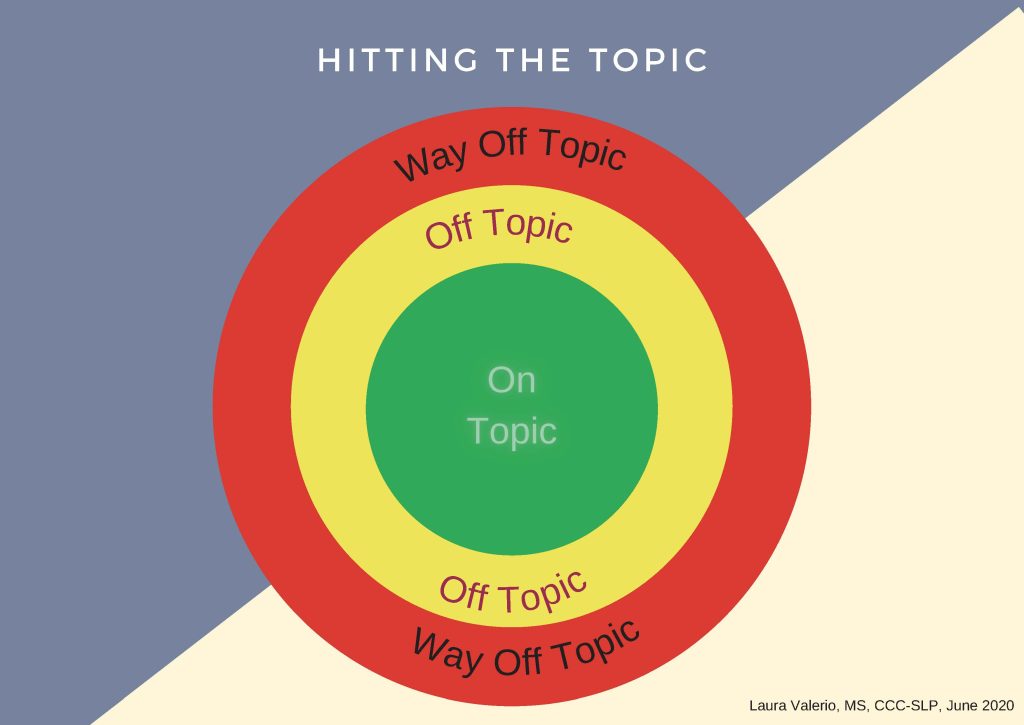
It is also important that the student responds on the topic. In shared reading, we follow the student’s lead – but in comprehension instruction the student needs to learn to follow ours. The topic circle below from Laura Valerio has been a very valuable tool for visualising the concept of being “on-topic” or “off-topic”.
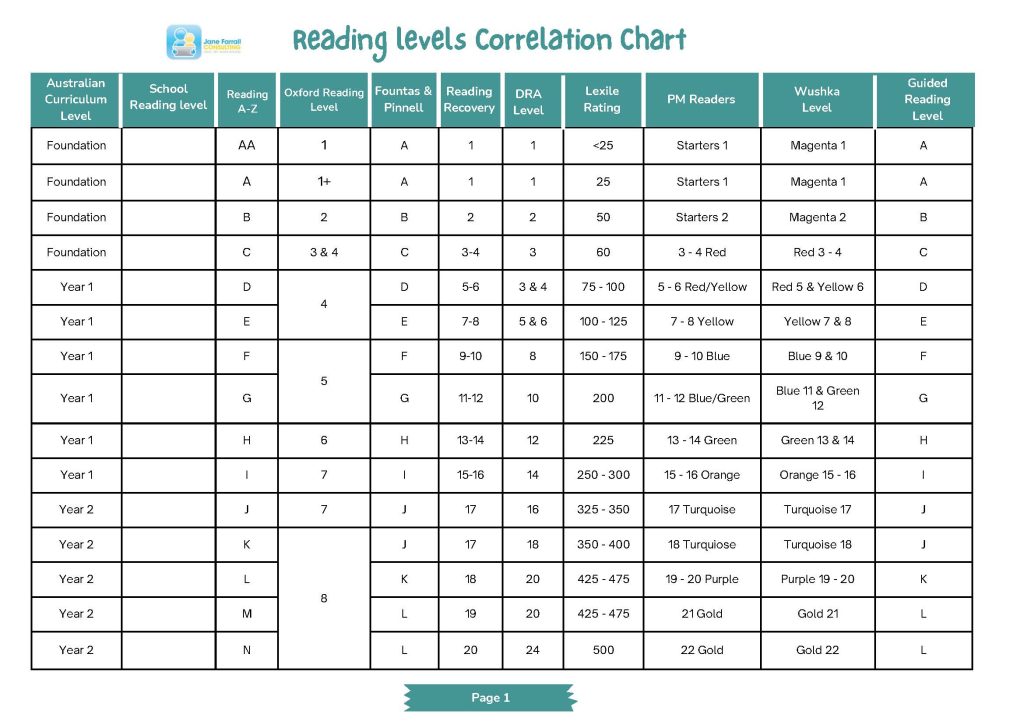
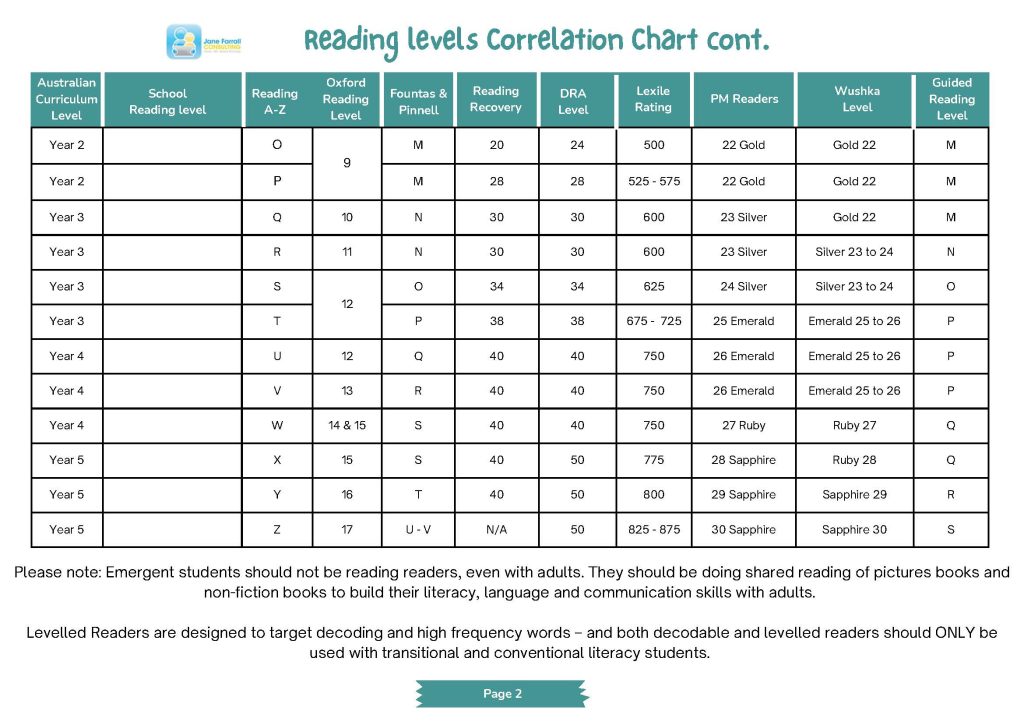
And to assist with selecting books at or below the student’s reading comprehension level, please use the Reading Levels Correlation Chart below. You can use the conventional assessment results for a student to determine what level of text and purposes you should be using. If you would like to determine their level within their grade level, you could use the Cloze Assessment process in the Assessment Resources to determine this.
Comprehension Instruction – Other Resources
Example Comprehension Instruction Packs
Please note, your school needs a subscription for Reading A-Z to be covered for copyright when using these.
Foundation Level
- Non-fiction examples: Amazing Caves, All About Penguins, How Many Wheels?, Boats, City Shapes
- Fiction examples: Crows on a Wire, The Hungry Goat, Feelings, The Elephant Car Wash, The Woodsy Jam Band
Year One Level
- Non-fiction examples: All About Orcas, Animal Dads, Are You From Australia?, Cricket, Discovering Dinosaurs
- Fiction Examples: A Wolf in Sheep’s Clothing, Grasshoppers Gross Lunch, The Boy Who Cried Wolf, Polly Gets Out, The Camel and the Pig
Year Two Level
Anchor, Read, Apply Purposes for Reading from the Centre for Literacy and Disability Studies.
Individual Comprehension Instruction Self-Evaluation Forms for Educators
- Printable Comprehension Instruction self-evaluation or observation form (created March 2026)
Comprehension Instruction in our Classrooms Overview Sheet
- Comprehension Instruction in our Classrooms Overview Sheet (updated August 2025)
Example Lesson Plans created using the model from The Grove Education Centre
Comprehension Blog Posts from Jane Farrall